
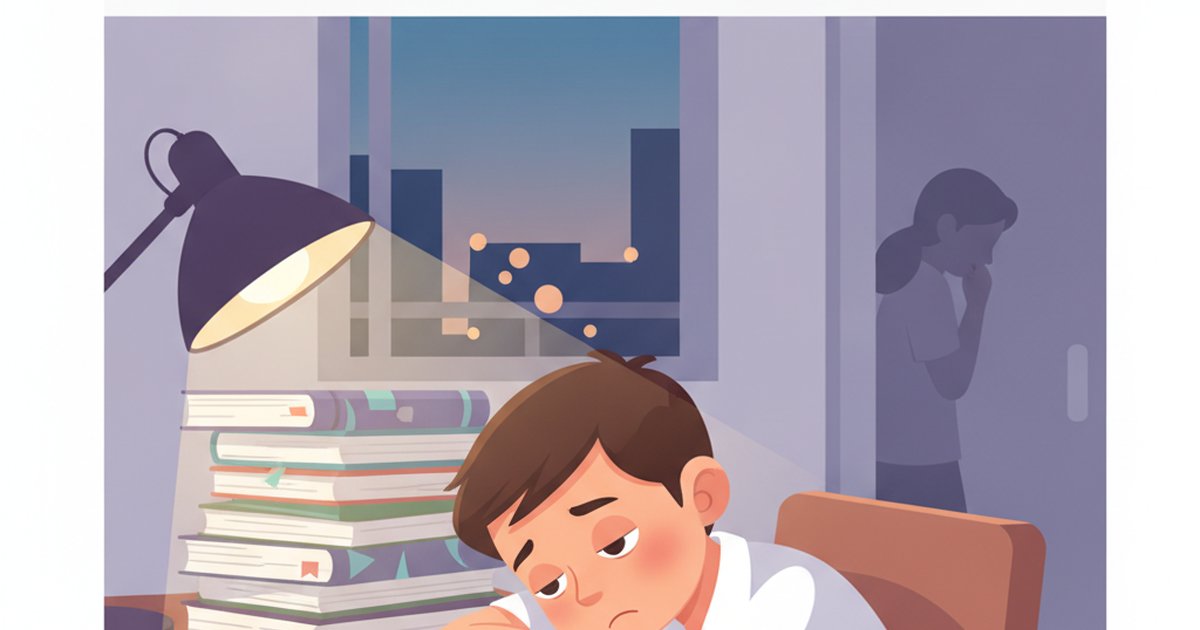
Singapore parents spent S$1.8 billion on private tuition in 2023 — nearly 30% more than in 2018. We argue endlessly about whether all that spending works. We talk far less about what it costs the children living inside it.
Not the money. The other cost — the one that shows up at the dinner table, at bedtime, and in how your child talks about school.
What the Tuition Treadmill Feels Like for a Child
Among kids attending many tuition classes, the most common complaints are simple and grim: chronic stress and lack of sleep. And here’s the uncomfortable part — many adults now look back at their own packed childhoods and say they didn’t need more tuition. They needed education to be more structured and enjoyable.
The logistics alone grind a child down. Travel to the centre twice a week, waiting, traffic. Fixed slots that clash with CCAs, family time and illness. If your P4 is exhausted or simply not in the mood, the slot is wasted anyway — and the homework it generates still lands on the weekend.
Why Spending More Rarely Buys Peace of Mind
Tuition centres charge S$180–S$600 a month per subject. One P5 family spent over $5,000 in a single year at a Tampines centre — fees, transport, workbooks pushed at the counter — and their daughter went from a C to a C+. One Singapore father spends S$7,000 a month on tuition for his 12-year-old ahead of PSLE.
The feedback loop makes it worse. One major platform’s own marketing puts it honestly: “Parents pay monthly and hope for the best… you only find out if it’s working when exam results arrive months later.” Pay, wait, pray. And when results disappoint, the reflex is to add another class — which is how the treadmill speeds up exactly when your child needs it to slow down.
The Pressure Doesn’t Stop at the School Gate
Tuition centre staff stand outside school gates handing out flyers and telling children they’ll fall behind — practices MOE is now studying how to discourage. Meanwhile, MPs have raised concerns about the gap in tuition spending between income brackets: wealthier families buy more, and more expensive, enrichment.
For lower- and middle-income parents, the anxiety cuts twice — fear that your child falls behind, and fear that you can’t afford to keep up. All of it flows into an industry where, as one tutor campaigning for accreditation put it, “the barrier to entry is almost non-existent.” A free-for-all.
What Parents Carry Home
The stress isn’t only the child’s. Marking falls back on you: Math problem sums and Science open-ended questions where every step has to be read, usually at 10pm. Feedback arrives a week later, and kids quietly stop trusting it. Spend ten minutes on KiasuParents and you’ll see the same stories on repeat — annual lock-in contracts, pushy sales calls, fees that climb year after year.
A Saner Way to Get the Same Hours In
The stress doesn’t come from learning. It comes from the packaging: travel, rigid slots, delayed feedback, contracts you can’t escape. Strip those out and the picture changes fast.
Start with what’s free. MOE’s own Student Learning Space gives every student guided questioning and personalised learning paths for selected Math and Geography units — limited coverage, but zero cost and zero pressure.
For everything SLS doesn’t cover, this is the gap LearnBuddy was built for: short tutoring sessions at home, by voice and drawing, so a P3 who can’t type long sentences isn’t locked out. It guides Socratically instead of handing over answers — which matters, because a December 2024 study warned that answer-giving AI breeds “metacognitive laziness.” And it costs S$39 a month for one child, or S$59 for up to three across all subjects — monthly billing, cancel anytime, no lock-in, no sales calls.
Your child gets one childhood. The S$1.8 billion question isn’t whether tuition works — it’s whether the version your family is running leaves your kid sleeping, laughing and still curious. If the answer is no, change the packaging before you add another class.