
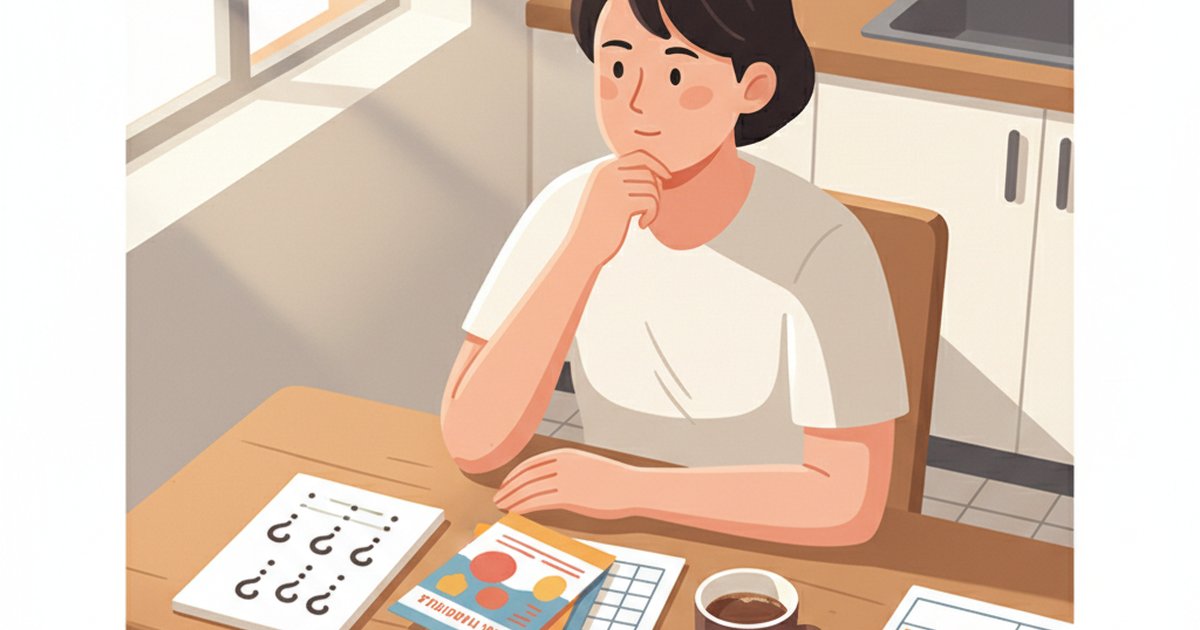
Singapore parents spent S$1.8 billion on private tutoring in 2023 — up nearly 30% from 2018. Yet at any P5 school gate you’ll hear the same thing: “I’m not sure it’s working.” Here are seven things the centre flyers won’t tell you.
1. The “AI” Is Often Just Question Repetition
Plenty of centres and apps now market “AI-powered learning.” In practice, parents notice the only AI element on big-name platforms is the app repeating questions your child got wrong. Real adaptive teaching — explaining the why in a different way — is rare. If the worksheet just loops your kid’s mistakes, you’re paying for a spreadsheet, not a tutor.
2. The Contract Is Designed to Outlast Your Doubt
The headline says “S$154 a month.” The fine print says one-year lock-in, refunds only within 30 days, automatic renewal, and a maximum suspension of 60 days a year. One parent shared on KiasuParents that she was told suspension was “flexible” at signup — only to be told later it wasn’t, with support calling it a “system issue, not in the contract.” Read the forum threads before signing anything annual.
3. The Real Bill Isn’t on the Price Sheet
A P5 family in Tampines spent over S$5,000 in one year at a centre — fees, transport, workbooks pushed at the counter — and their daughter went from a C to a C+. One Singapore father reports paying S$7,000 a month on tuition for his 12-year-old preparing for PSLE. Centre fees alone run S$180–S$600 per subject, per month. Add three subjects and a private Chinese tutor and you’re at a second mortgage.
4. You Won’t Know If It’s Working Until Exam Results Arrive
Even Geniebook’s own marketing admits it: parents pay monthly and hope for the best, and only find out if it’s working when exam results arrive months later. Centres rarely show concept-level mastery — just attendance and worksheets completed. By the time the report card hits, you’ve already paid four more months.
5. Mother Tongue Is Treated as an Afterthought
The fastest-growing parent segment is English-speaking households who need 华文 support the most. Yet several incumbent platforms, including Geniebook, built their Chinese on the old syllabus instead of 欢乐伙伴 — what your kid practises doesn’t match what’s taught in school. If Chinese is your top worry, ask which syllabus the tool uses before you pay a cent.
6. The Sales Pressure Is Not an Accident
Tuition centre staff stand outside school gates handing flyers and telling kids they’ll fall behind — practices the MOE has signalled it’s studying ways to discourage. Online, parents describe AI-tutor sales teams as “way too hardworking,” with repeated cold calls. Aggressive sales is a feature, not a bug, of a S$1.8B market one industry voice called “a free-for-all.”
7. Your Child May Not Even Be the Right Customer
Most centres and AI tutors work for motivated, independent learners. The kid who needs help most — whose parents pay S$400 a month and see no progress — is the one current options fail. P1–P4 kids are particularly underserved: typing long synthesis answers gets in the way of thinking. One mother held off subscribing to Science entirely because her P3 daughter couldn’t type fast enough.
What to Look For Instead
Before your next renewal, run the centre or app through five quick checks: cancel-anytime monthly billing, no annual lock-in dressed as a “discount,” voice and drawing input for lower primary, the correct 欢乐伙伴 syllabus for Chinese, and a parent dashboard that shows concept mastery — not just worksheet counts. LearnBuddy was designed around exactly these gaps. Five out of five is the new baseline. Anything less, keep looking.